Buying Property in Kenya: A Due Diligence Checklist for Buyers
A practical checklist for verifying ownership, approvals, charges, contracts and handover before buying land, a house or an apartment in Kenya.
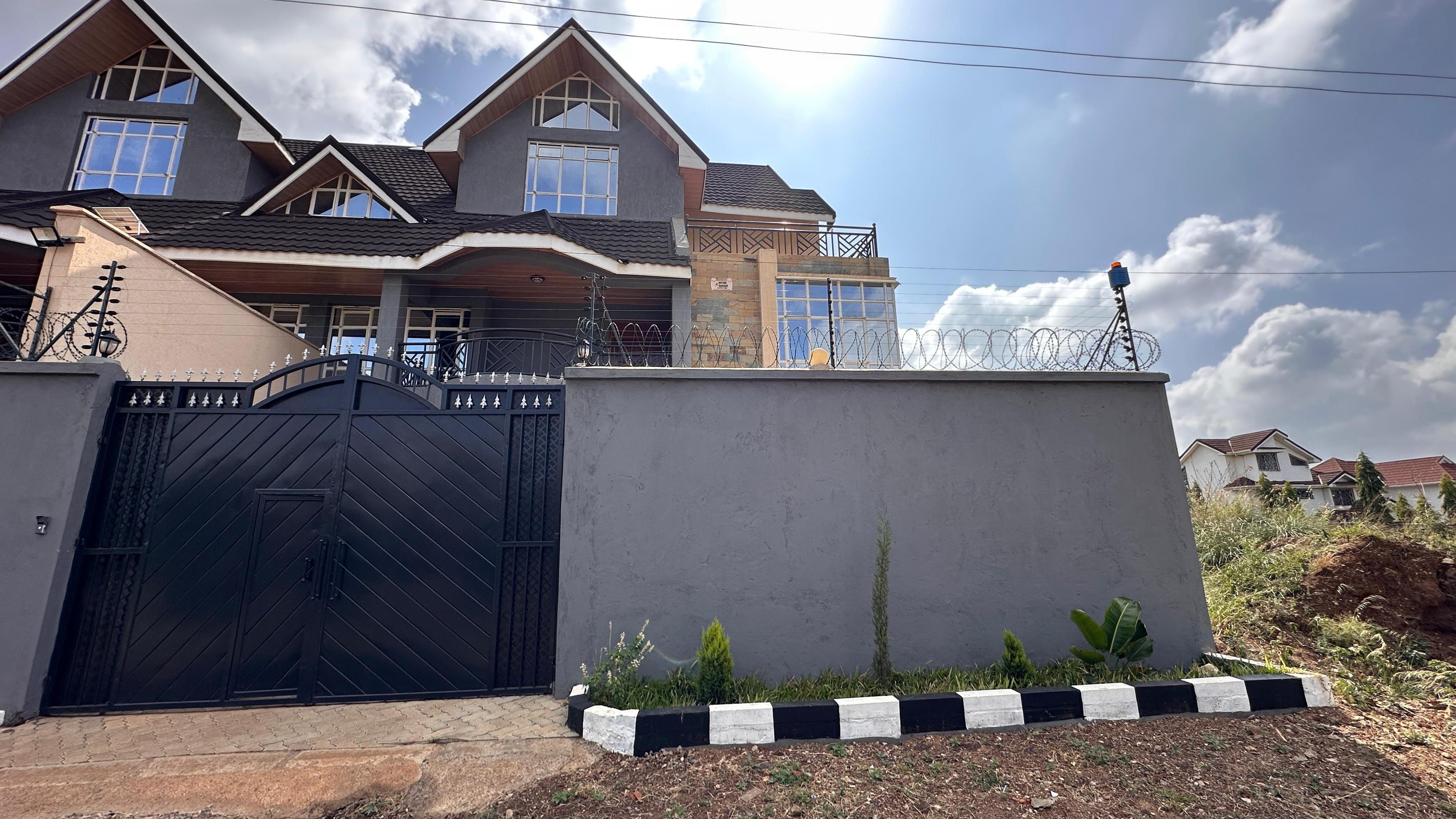
Buying property is a major financial decision, and the quality of the due diligence completed before signing can determine whether the transaction proceeds smoothly. Attractive photos, a site visit and a copy of a title are not enough on their own. Buyers need independent professional advice and a documented verification process.
This checklist provides a practical framework for buying land, a house or an apartment in Kenya. It is general information rather than legal, tax or financial advice; engage qualified professionals to confirm the requirements and costs that apply to your transaction.
Define the property and the seller
Confirm the exact property being sold, its physical location, stated size, ownership reference and the identity of the seller. Where the seller is a company, trust, estate or attorney, additional documents and authority may be necessary. Your advocate should verify that the person signing and receiving funds has the legal capacity to do so.
Ask your agent to explain their role and obtain written payment instructions. Fraud prevention is strongest when identity, ownership and bank details are independently verified before money moves.
Appoint an independent advocate
A buyer should have an advocate who protects the buyer's interests, reviews documents, conducts searches, negotiates the agreement and manages completion. Do not treat the seller's representative as a replacement for your own legal advice.
Share all promises and marketing materials with your advocate, including statements about parking, views, completion dates, furniture, rental returns or payment plans. Material terms should be reflected in the signed documents where appropriate.
Verify ownership, boundaries and restrictions
The required searches and documents depend on the property type and location. Your advocate should verify ownership and review entries, restrictions, charges, leases, easements or other interests that may affect the property. A surveyor may be needed to confirm boundaries and acreage, especially for land or a standalone home.
- Compare the ownership documents with official search results.
- Confirm the seller's identity and authority to sell.
- Check boundaries, beacons, access and stated measurements.
- Establish whether a lender or third party has an interest.
- Review lease term, user restrictions and management obligations.
Review approvals and physical condition
For buildings and developments, ask for the relevant approvals, plans and completion documentation. The appropriate checks vary by project and authority, so your professional team should advise on what is required. A structural or building inspection can identify defects that are not obvious during a standard viewing.
Inspect water, drainage, electricity, road access, parking and shared facilities. For an apartment, review the unit together with the common property because building-wide defects and major repairs can affect every owner.
Understand every cost and deadline
Prepare a completion budget covering the purchase price and all applicable professional, registration, valuation, financing and statutory costs. Rates, rent, service charge or utilities may need to be cleared or apportioned at completion. Ask for current written estimates from the professionals handling the transaction.
The sale agreement should define the deposit, balance, completion period, documents, conditions, default remedies, possession and responsibility for outgoings. Never sign a blank or incomplete document, and keep copies of every executed agreement and receipt.
Control payments and handover
Pay only through verified, traceable channels in accordance with the agreement and your advocate's advice. Treat last-minute changes to bank details as a warning that requires direct confirmation using a trusted contact method.
At handover, inspect the property again, record meter readings, collect keys and access devices, sign the condition or completion record and obtain the agreed documents. For a new unit, prepare a snag list and record the deadline for correcting defects.
Keep a complete ownership file
After completion, retain the agreement, transfer and registration documents, payment evidence, approvals, plans, warranties, service-charge records and professional reports. Confirm with your advocate that registration and any post-completion steps have been finalised.
A disciplined process takes more effort at the beginning, but it gives the buyer clearer information before making an irreversible commitment. Kenya Classic Homes can help identify suitable properties and coordinate access for your independent professional team.
Find your next Nairobi property
Share your location, budget and property requirements with Kenya Classic Homes. We will help you compare current listings and arrange viewings.